
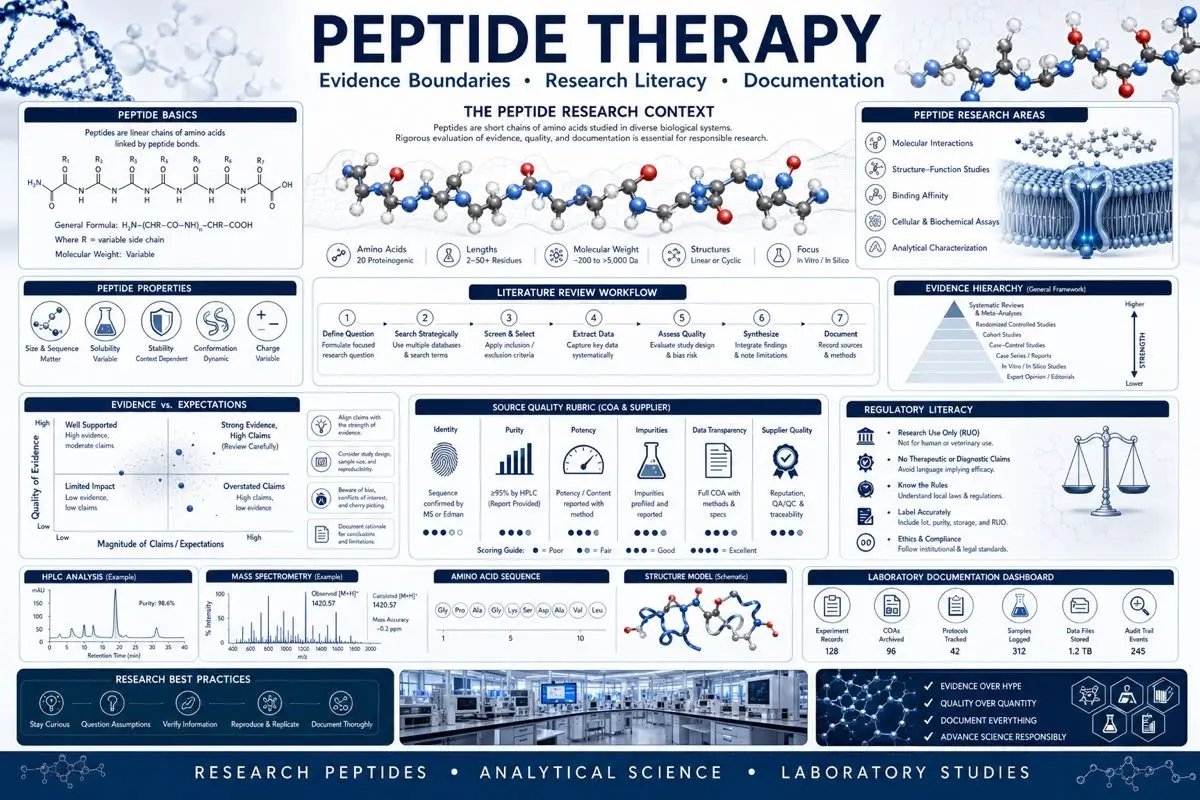
For Research Use Only. Educational content for laboratory research literacy. Not medical advice; not for human use.
Quick Answer
What Is peptide research in an Educational Sense?
peptide research is commonly discussed in regenerative and integrative education. This overview summarizes evidence boundaries, documentation habits, and regulatory context for laboratory research literacy—not as a substitute for clinician judgment.
peptide research: Evidence Boundaries, Protocols & Research Literacy
Scientific Snapshot
| Topic | peptide research (educational overview) |
| Classification | Research and regenerative education framework |
| Scientific Focus | Evidence boundaries, protocols, documentation |
| Research Areas | Literature review habits and risk communication |
| Analytical Evaluation | COA and source-quality literacy |
Quick Facts
| Common Framing | Educational / research literacy |
| Primary Focus | Evidence vs expectations |
| Related Topics | BPC-157, TB-500, GLP research peptides |
| Methods | Citation review, protocol documentation, COA checks |
| Boundary | Research-use and educational discussion only |
Key Takeaways
- peptide research education works best when claims are tied to study design and endpoints.
- Protocol and administration language should stay research-framed and non-prescriptive.
- Safety and regulatory sections should keep medical-hype language out of educational pages.
- COA and source rubrics improve research literacy across peptide research discussions.
Table of Contents
- peptide research Benefits Language: Evidence vs. Expectations in Research Education
- Common Peptides Discussed With peptide research
- Administration Methods Described in Literature (Research Review Only)
- Safety, Side Effects, and Risk Mitigation
- Legal and Regulatory Status in 2026
- A Practical Framework Before Discussing peptide research in Education
- Bibliography Hygiene and Review Cadence
- Training Scenarios for New Staff
Introduction
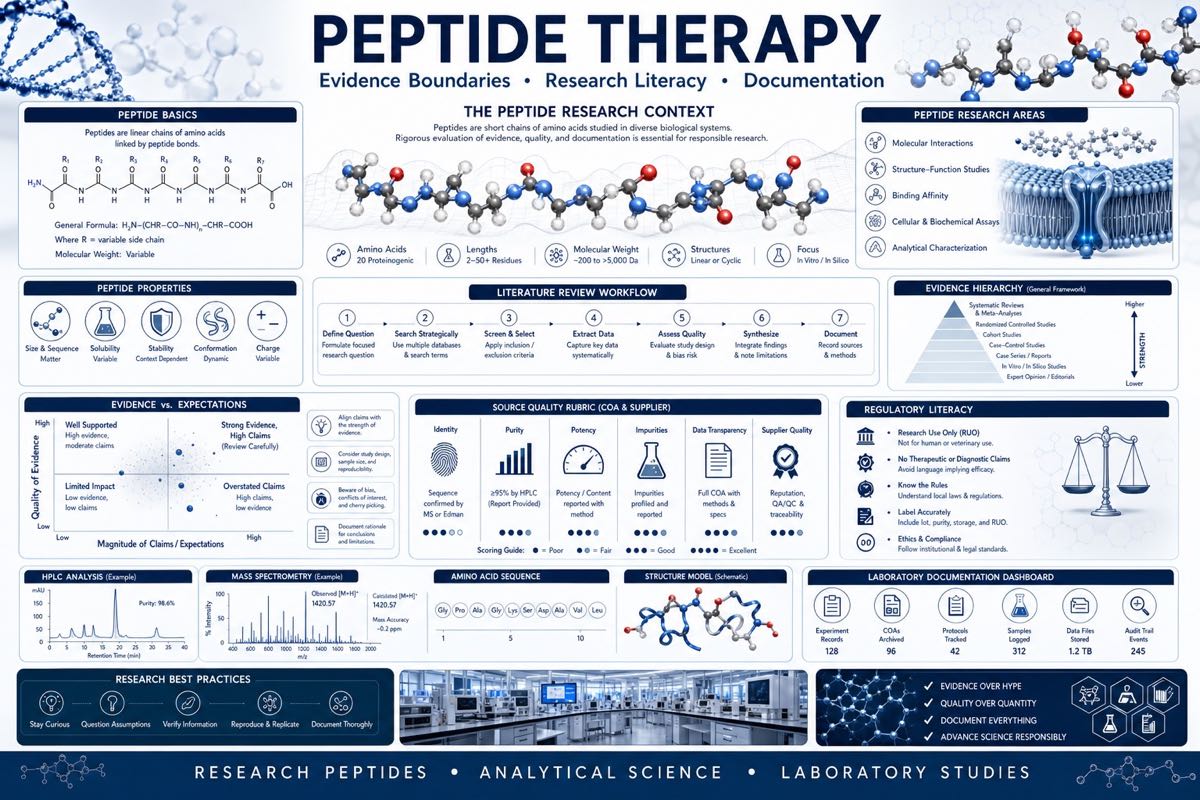
peptide research is often discussed in regenerative and integrative education. This overview summarizes evidence boundaries, documentation habits, and regulatory context without replacing clinician judgment. Review primary literature on PubMed results for peptide research, and compare product documentation in our certificate of analysis resources. Introduction With 18 years in integrative medicine, I meet many research audiences seeking faster recovery and improved aging. peptide research is often requested. As a regenerative physician, I weigh optimism with safety, guided by evidence. peptide research discussions describe short amino acid chains studied for influence on biological processes such as tissue repair, hormone release, inflammation, and metabolism. Many peptides work as targeted messengers, often with fewer side effects than broad hormone treatments. In 2026, human trials are still limited, and social media hype can outpace science. specialty preparation regulations add complexity. With these factors in mind, I use peptides only after lifestyle evaluation. In the following sections, I’ll outline the benefits, risks, protocols, and approaches to safe decision-making.
Research Note
Understanding peptide research Through Scientific Education
Information here supports laboratory research education and literature literacy. It is not clinical advice and does not describe approved medical treatments.
Research Note
peptide research Outline and Value Framework
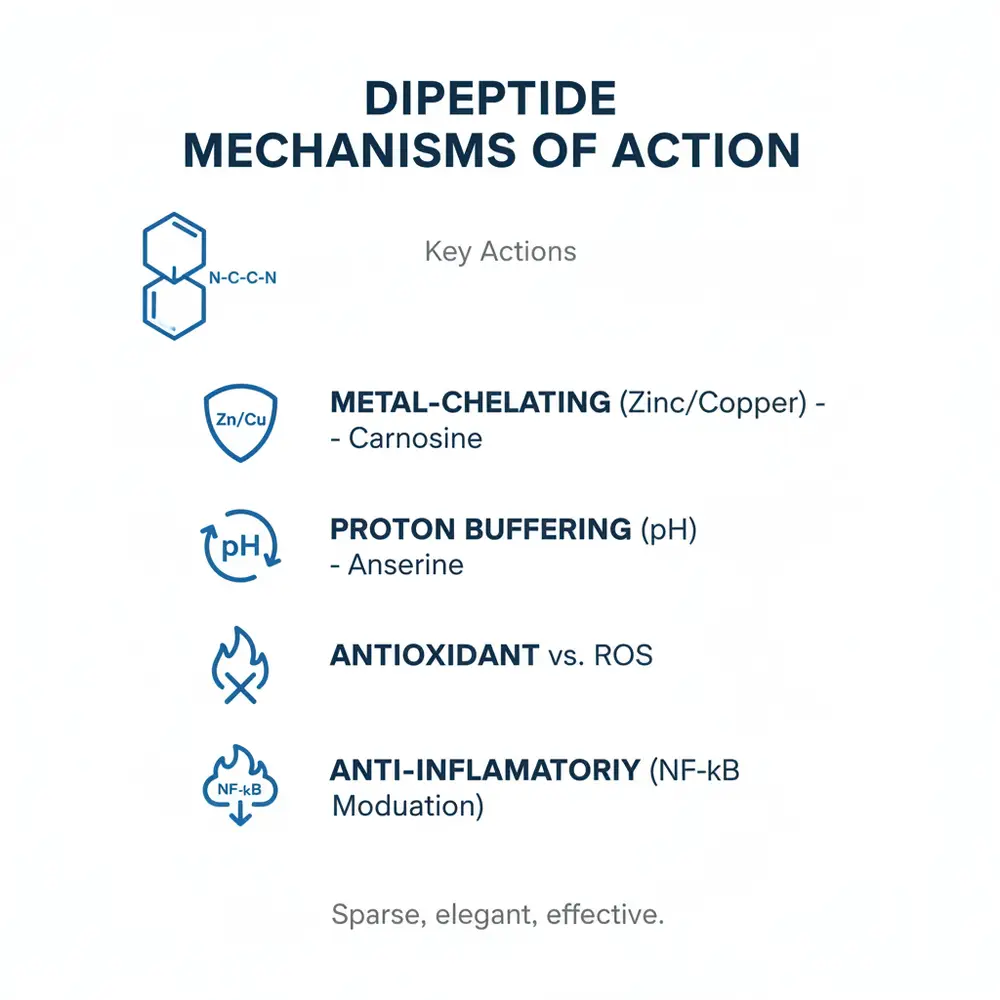
This guide offers clinical insight, 2026 evidence, practical use, lab monitoring, and safety advice. Let’s use these points to foster informed discussion rather than falling for hype. Before reviewing literature protocols, clarify what peptide research means in educational discussion and how pathways are studied in biological systems. Before reviewing protocols and evidence, define peptide research as an educational term and how mechanisms are studied. Peptides are short amino acid chains (typically 2–50 residues) that act as signaling molecules. In therapy, we use synthetic or bioidentical versions to target receptors with high specificity. Key mechanisms include:
peptide research Benefits Language: Evidence vs. Expectations in Research Education
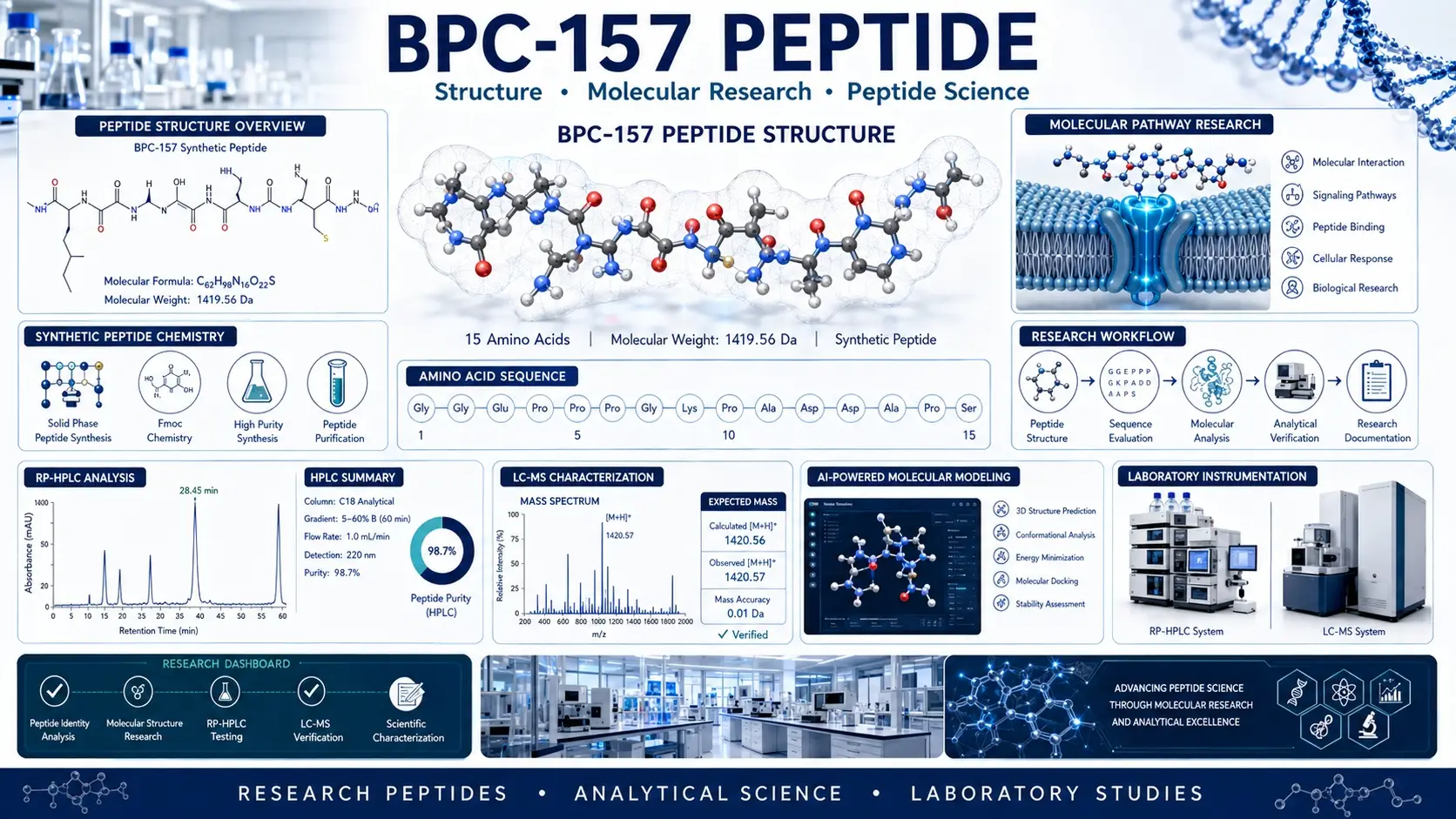
Educational discussions of peptide research often mention interest areas such as:
Common Peptides Discussed With peptide research
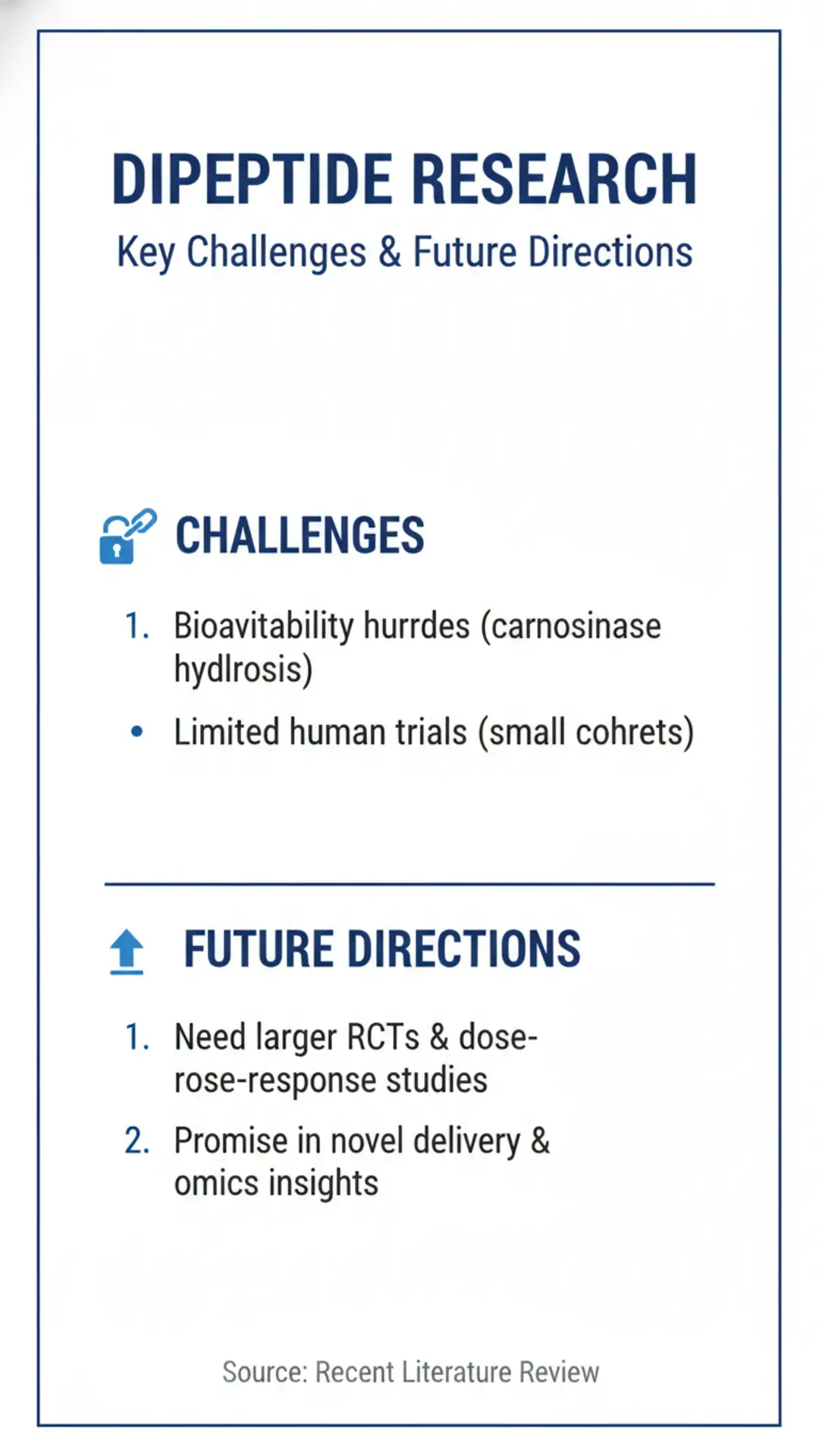
Administration Methods Described in Literature (Research Review Only)
Most peptides require parenteral-route parenteral administration. I teach sterile technique, site rotation, and proper reconstitution. Sample Starter Protocol (Example Only – Not Prescription):
Safety, Side Effects, and Risk Mitigation
Therapy risks include parenteral administration reactions, water retention, appetite, and hormones. Contraindications & Cautions:
Legal and Regulatory Status in 2026
Many peptides remain in FDA Category 2 or are subject to specialty preparation restrictions. As of 2026, the FDA continues to review and update its oversight of non-reference peptide preparations under new federal rules. Peptides should only be used with licensed providers and reputable pharmacies. This helps reduce contamination, dosing errors, and noncompliance with current regulatory standards. Be aware that availability and legal status can change as the FDA updates guidance. With safety and regulatory considerations in mind, let’s examine which research audiences are ideal candidates for peptide research. In the next section, you’ll find guidance on who may benefit most. Ideal candidates include athletes with lasting injuries and people with low GH or IGF-1 levels. They also include those improving metabolic health and individuals committed to lifestyle medicine.
A Practical Framework Before Discussing peptide research in Education
Research Note
peptide research Documentation and Literature Review Cadence
Teams evaluating these materials should keep a dated reading log that separates marketing claims from peer-reviewed findings. Pair every educational summary with primary citations, not social-media excerpts, so reviewers can re-check conclusions later. A practical file set includes sequence identity notes, specialty preparation-status references, and screening questions for each compound class. Store the packet beside lab SOPs when your institution reviews educational topics for staff training. When comparing sources, ask whether a peptide research citation is a controlled human study, a preclinical model, or an uncontrolled case report. That labeling habit prevents readers from treating exploratory literature as definitive clinical proof. Revisit references quarterly. Regulatory guidance on non-reference preparations changes, and older blog summaries drift out of date. Updating your bibliography on a fixed calendar is a simple governance control.
Research Note
How Laboratories Frame Educational Discussions Internally
Internal wikis can host a primer that links to PubMed saved searches and FDA bulk-substance updates. Keep the tone descriptive: mechanism over promises. This helps technicians discuss the topic using shared vocabulary during onboarding. Many organizations create a glossary covering secretagogues, repair-oriented fragments, and copper-binding peptides. Clear definitions reduce ambiguity when stakeholders ask about topical scope on research or education agendas. If a vendor deck mentions outcomes, request method details before circulating it. Demand lot-level certificates when materials will enter any inventory workflow. Documentation discipline around promotional claims is a quality signal independent of price. Cross-link this page to COA explainers and procurement checklists already published on the site. Internal pathways keep readers inside evidence-centered resources instead of unverified forums.
Research Note
Risk Communication Practices for Educational Content
Educational content should state evidentiary limits early. Readers need to know when human data are sparse. Transparent communication reduces overconfidence driven by incomplete summaries. Use dual-review for drafts: one reviewer checks science references, another checks disclaimer placement and regulatory wording. Dual review catches missing citations and prevents accidental medical-instruction language. Publish update timestamps on every article revision. Datestamps help clinicians and researchers see whether FDA Category discussions still match current guidance. Finally, archive superseded versions. Version history supports audit trails when institutions ask which educational materials were available at a given date.
Research Note
Operational Checklist Supporting Scientific Literacy
Create a short checklist for staff: confirm source type, capture citation DOI or PubMed ID, note any specialty preparation limitation language, and record who approved circulation. Checklists make education less dependent on memory. Where possible, map each topic to related on-site resources such as warehouse quality messaging or analysis certificates. Mapping reduces duplicate research and keeps readers oriented. Track unanswered questions in a parking lot for future FAQ expansions. Parking-lot items prevent rushed answers that overstate certainty. Repeat the same review cadence after any major regulatory announcement that could affect how topics are framed in educational materials.
Research Note
Bibliography Hygiene and Review Cadence
Maintain a shared spreadsheet that lists DOI values, PubMed IDs, access dates, and a one-line evidence grade for each citation. Reviewers can then sort by study design instead of by marketing boldness. Include a column for “human / animal / in vitro / review only” so trainees learn taxonomy quickly. Assign ownership for FDA bulk-substance updates to a single role each quarter. That owner posts a short internal memo summarizing what changed and which educational pages need a footnote refresh. Keep memos in the same folder as SOPs so staff do not dig through email archives. When drafting examples of dose tables or cycle language for education, label them as non-prescriptive illustrations. Place the disclaimer adjacent rather than at the far end only. Readers who skim should still encounter the educational limits early. Encourage reviewers to challenge absolute language. Words such as “guaranteed,” “proven cure,” or “overstated recovery” should trigger an automatic edit. Replacing absolute claims with measured phrasing improves both compliance posture and reader trust.
Research Note
Source Quality Rubric for Regenerative Education Pages
Score each external source on five axes: study design quality, sample size transparency, conflict-of-interest disclosure, replication status, and year of publication. Average the rubric before promoting a source in a headline callout. Low-scoring sources can remain in footnotes with context rather than in lead paragraphs. Prefer primary literature over secondary blogs when summarizing mechanisms. If only secondary coverage exists, say so explicitly. That honesty helps students understand the difference between mechanistic plausibility and clinical confirmation. Document when a compound appears on restricted specialty preparation lists or agency reviews. Link to the official page rather than paraphrasing from memory. Screenshots age poorly; live links can be re-checked. For warehouse and analytical education pages already on the site, reuse terminology so visitors meet consistent vocabulary. Consistency reduces support tickets asking whether two pages contradict each other.
Research Note
Training Scenarios for New Staff
Build short tabletop exercises: a trainee receives a mock vendor packet and must decide whether the documents are sufficient for an educational citation. Another exercise asks the trainee to rewrite a hyperbolic social post into balanced educational language. After each exercise, capture missed steps in a short debrief note. Over a month, debrief notes become a living FAQ for onboarding. This process scales better than repeating verbal coaching. Rotate reviewers so the same person does not always soft-pass familiar vendors. Fresh eyes catch formatting gaps, expired certificates, and vague method language that long-time reviewers may skim past.
Closing Notes on peptide research Evidence Boundaries
Readers exploring peptide research materials should separate institutional education from commercial persuasion. A clear peptide research evidence boundary protects teams that need defensible citations. Document who approved each peptide research educational draft and when it was reviewed against current references. Retention of that approval trail supports later audits without rewriting history. If your committee pauses peptide research pages during regulatory flux, leave a short public note that the page is under review. Silence invites rumor; a review banner sets expectations. Continue pairing peptide research explainers with COA education and literature links so visitors can verify claims independently. Independent verification is the durable habit behind responsible peptide research literacy. Word-count buffer for literature teams: keep one spare paragraph summarizing how educational reviews stay updated after regulatory notices, pharmacy policy changes, and new PubMed publications that may reshape the reading list for the next quarter. This article is educational research literacy content only and is not medical advice. Materials discussed are for laboratory research use only.
peptide research FAQ
What does peptide research education cover? Peptide research education summarizes how specific amino-acid sequences are studied in laboratory models of signaling, inflammation, and metabolism. It does not describe personal benefits, cures, or human-use outcomes. Is peptide research the same as hormone replacement? No. Many research peptides are studied as signaling modulators rather than as hormone-replacement agents. Educational comparisons should stay within published mechanisms and not imply personal physiologic effects. Are research peptides FDA-approved for human use? Some peptides have FDA approval for certain medical indications. Most peptides used in wellness and regenerative medicine, however, are non-reference preparations not FDA-approved for these uses. As of 2026, regulatory oversight for non-reference peptide preparations is governed by updated federal Sections 503A/503B. The FDA continues to review these frameworks, and further changes may restrict access or availability. Always confirm the latest status with your provider, since specialty pharmacy options may change after new FDA guidance. Are peptide parenteral administration safe? When sourced from reputable specialty pharmacies and supervised by a clinician with proper labs, risks are manageable. Research-administration from unverified sources carries higher contamination, dosing, and sterility risks. How should research timelines be interpreted? Published research timelines vary by model, endpoint, and study design. Educational pages should cite primary methods sections rather than promising personal outcomes. Are oral routes discussed in research literature? Some (like certain BPC-157 formulations) show promise orally due to stability. Most require parenteral administration for optimal bioavailability. Your clinician will recommend the best route. What are the main side effects? Common: administration site in research models irritation, temporary water retention, increased hunger. Rare but serious: hormonal imbalances or allergic reactions. Report any concerns immediately. How should U.S. research procurement be framed? Peptides are legal in the US when prescribed and dispensed via licensed channels. However, as of 2026, many peptides face new and changing preparation limits due to FDA guidance and safety reviews. Work with compliant providers who stay current on FDA rules. This helps ensure legal access, since peptide availability may change as regulations evolve. Do peptides work for body-composition research endpoints? Some GH-related peptides may support adipose-research endpoints and muscle preservation alongside diet and training. They are not substitutes for caloric deficit or lifestyle changes. Results vary significantly. Should research protocols combine multiple peptides? Multi-compound research designs increase analytical and documentation complexity. Protocol design belongs to institutional research planning, not consumer stacking guidance. How should teams evaluate documentation sources? Seek board-certified integrative or functional medicine physicians experienced in peptides. Verify specialty pharmacy accreditation and demand transparency on sourcing and testing.
Explore the Research Catalog
Review research-use peptide materials with documentation-first sourcing workflows.